Overview of the Fast Food Menu Landscape
The fast food industry has experienced significant transformations over the past few decades, adapting to the changing preferences of consumers and the growing demand for convenience. As we move into 2026, the landscape continues to evolve, with new trends and innovations shaping how fast food menus are designed and presented. Understanding these dynamics is essential for consumers who wish to navigate their options effectively. When exploring options, fast food menu choices have become an integral part of American culture, influencing dining habits and lifestyle trends.
Defining Fast Food Menus in 2026
Fast food menus today are more than just lists of items; they represent brands' identities and values. In 2026, we see an emphasis on sustainability, transparency, and health-conscious offerings. Fast food restaurants are increasingly highlighting the sourcing of their ingredients, with many chains committing to local and organic produce. The menus have also expanded to include diverse options catering to various dietary preferences, including vegan, gluten-free, and low-calorie choices.
Significant Industry Players and Their Offerings
Major players like McDonald's, Wendy's, and Burger King continue to dominate the fast food landscape. Each brand has carved out its niche, offering unique items that appeal to different consumer segments. For instance, McDonald's has seen success with its all-day breakfast and limited-time offerings such as gourmet burgers and specialty coffees. Meanwhile, Wendy's promotes its fresh, never frozen beef as part of its brand promise, appealing to customers seeking quality and freshness.
Global Variations in Fast Food Menus
Fast food menus vary significantly around the world, influenced by local tastes and cultural preferences. For example, in Japan, McDonald's offers a Teriyaki Burger, while in India, the menu features a range of vegetarian options, including the McAloo Tikki. Such variations highlight the importance of localization in the fast food industry, ensuring that menus resonate with the regional audience.
Popular Fast Food Menu Items
As fast food continues to thrive, certain menu items have become iconic representatives of the industry. From burgers to breakfast items, the variety is vast and tailored to meet consumer demands. Exploring these popular options can help consumers make informed choices when dining out.
Top Burgers and Their Unique Ingredients
Burgers are the cornerstone of many fast food menus. Items like the Big Mac and Whopper are not only best-sellers but also cultural icons. These signature burgers often include unique ingredients that set them apart, such as the special sauce on a Big Mac or the flame-grilled taste of a Burger King Whopper. Additionally, fast food chains have been innovating with gourmet options, incorporating artisanal buns, exotic toppings, and premium meats to attract gourmet enthusiasts.
Best-Selling Sides and Appetizers
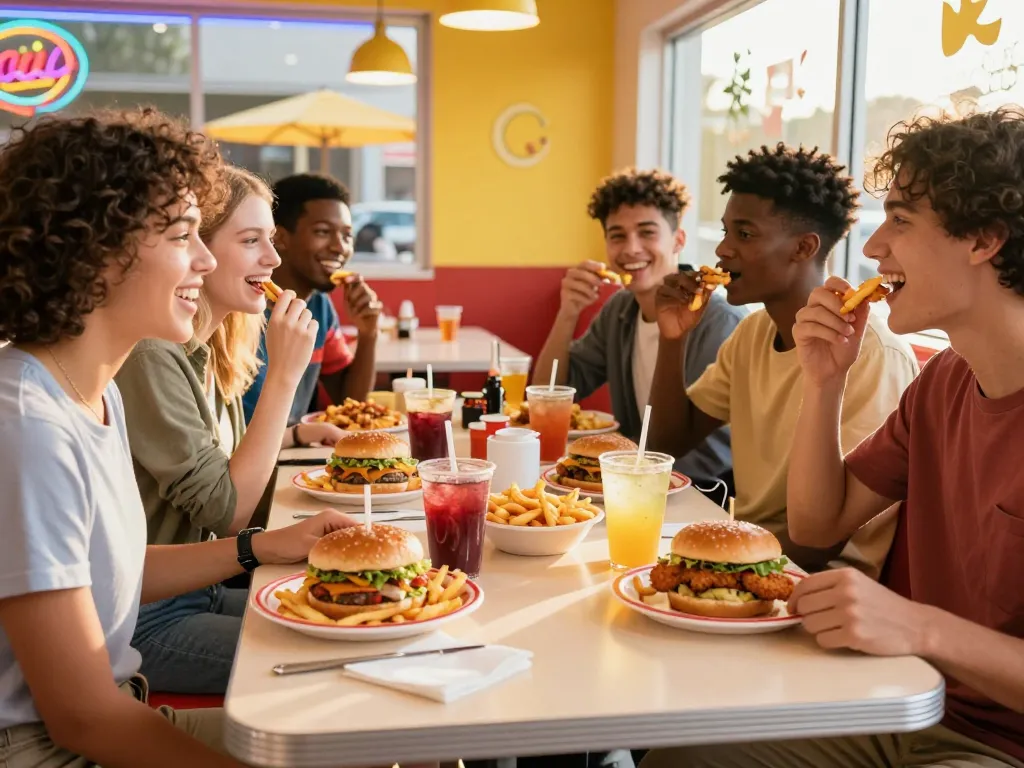
In addition to main dishes, fast food side items such as fries, onion rings, and chicken nuggets have gained immense popularity. French fries, especially those served at McDonald’s, are celebrated for their crispiness and flavor. Moreover, many chains are experimenting with new sides to enhance their offerings, including sweet potato fries, loaded nachos, and various dipping sauces that cater to consumer preferences for flavor and variety.
Prominent Fast Food Breakfast Offerings
Breakfast has become a significant focus for fast food chains, with many promoting all-day breakfast menus. Items like breakfast burritos, McMuffins, and breakfast bowls have transformed the morning meal landscape. Chains are also introducing healthier breakfast options, such as fruit smoothies and oatmeal, appealing to the growing number of health-conscious consumers looking for nutritious ways to start their day.
Emerging Trends in Fast Food Menus
The fast food industry is continually evolving to meet consumer demands and societal trends. Staying ahead in this dynamic environment requires an understanding of the latest movements shaping menus across the globe.
Health-Conscious Options and Nutritional Trends
As consumers become increasingly health-conscious, fast food restaurants are adapting their menus to include healthier options. Nutritional transparency is now a priority, with many establishments providing detailed information about calorie counts and ingredient sourcing. This shift reflects a broader societal trend toward wellness, leading many fast food chains to introduce salads, grilled proteins, and items low in calories and fats.
Plant-Based Alternatives Gaining Popularity
The rise of plant-based diets has prompted fast food chains to include vegan and vegetarian options on their menus. Offerings such as the Impossible Whopper and various meatless nuggets have gained traction, attracting a wider audience and addressing the demand for sustainable dining alternatives. The trend reflects a growing recognition of consumer interest in reducing meat consumption for health and environmental reasons.
Technology's Role in Menu Innovation
Advancements in technology are reshaping the fast food landscape, particularly in menu customization and ordering processes. Many restaurants now offer mobile apps and online ordering systems that allow customers to personalize their meals. This empowers consumers to create unique combinations, catering to specific dietary needs and preferences. Moreover, the integration of AI in menu planning is helping chains predict trends and adjust offerings dynamically.
Customization and Personalization in Fast Food Menus
As consumer preferences shift toward tailored dining experiences, fast food chains are increasingly focusing on customization options within their menus. This trend not only enhances customer satisfaction but also fosters brand loyalty.
Consumer Preferences for Tailored Meal Options
Today's consumers crave the ability to personalize their meals to align with their tastes and dietary restrictions. Fast food chains are responding by offering customizable burgers, salads, and bowls. This approach not only meets changing dietary trends but also allows diners to create a meal that feels unique and personal, enhancing the overall dining experience.
Strategies for Enhancing Customer Experience
To stay competitive, fast food restaurants are leveraging technology and innovative strategies to enhance the customer experience. Loyalty programs, interactive kiosks, and mobile ordering are just a few of the methods being employed to cater to consumers' desires for convenience and personalization. By focusing on the customer journey, these establishments can create a more satisfying and engaging dining atmosphere.
Case Studies on Successful Customization
Several fast food chains have successfully implemented robust customization strategies. Chipotle, for example, revolutionized fast casual dining with its build-your-own burrito model, allowing customers to choose exactly what goes into their meals. Similarly, Pizza Hut has made headlines with its mix-and-match pizza options, offering various crusts, sauces, and toppings to appeal to diverse tastes.
Future Outlook for Fast Food Menus
Looking ahead, the future of fast food menus appears to be dynamic and responsive to evolving consumer demands. By monitoring trends and societal shifts, chains can prepare for the next wave of change.
Predictions for Fast Food Menus Beyond 2026
The fast food landscape will likely continue to embrace sustainability and nutrition. Chains that prioritize eco-friendly packaging, locally sourced ingredients, and sustainable practices are expected to thrive. Additionally, menus will likely include even more diverse offerings to cater to global tastes and dietary needs as consumer awareness of health and sustainability expands.
Adapting to Changing Consumer Tastes
Consumer preferences will continue to evolve, influenced by trends in health, sustainability, and convenience. Fast food chains that can adapt quickly to these changes by innovating and updating their menus will be best positioned for the future. Embracing flexibility in menu offerings will be key to maintaining consumer interest and loyalty.
Challenges Facing Fast Food Menu Adaptation
While the future holds promise, fast food chains will face challenges in adapting their menus to meet new consumer expectations. Balancing cost, quality, and sustainability will require strategic planning and investment. Additionally, the competitive nature of the industry means that brands must remain alert to emerging trends and be prepared to pivot as necessary to meet demands.
What are the most popular fast food menu items?
Popular fast food menu items often include signature burgers, chicken sandwiches, and fries, which have become staples in the industry.
How do fast food menus vary around the world?
Fast food menus vary globally, featuring local flavors and ingredients, which allows chains to appeal to regional tastes and dietary customs.
What trends are shaping fast food menus in 2026?
In 2026, trends include a focus on health-conscious options, plant-based alternatives, and technology-driven customization to enhance the customer experience.
How can restaurants adapt their menus for healthier options?
Restaurants can adapt by incorporating more whole foods, providing nutritional information, and responding to consumer demand for transparent sourcing of ingredients.
Why is customization important in fast food?
Customization is important as it allows consumers to create meals that fit their individual tastes and dietary needs, fostering a sense of ownership and satisfaction.