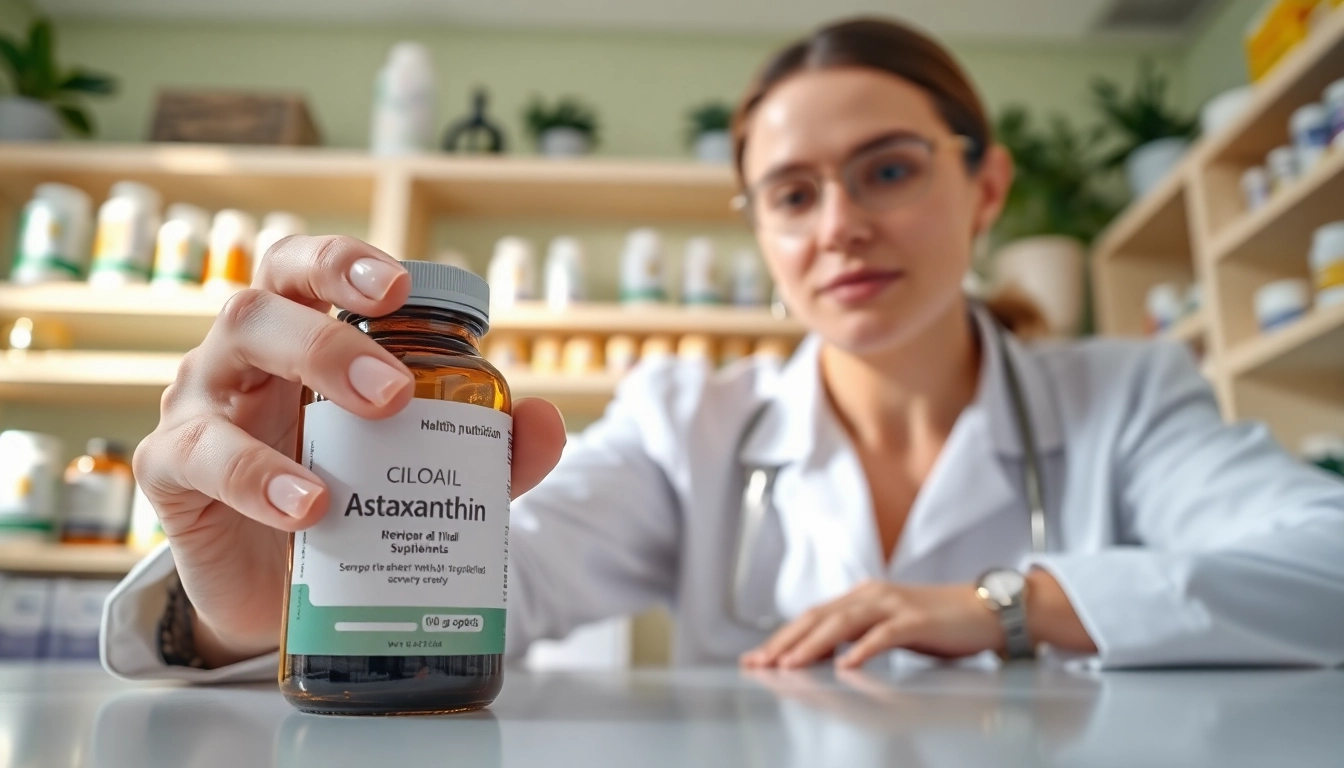
Understanding Premium Astaxanthin: The Basics
As health-conscious individuals increasingly seek natural supplements to enhance their wellness, premium astaxanthin has emerged as a powerful contender. This potent carotenoid is renowned for its array of health benefits, particularly in terms of its antioxidant capabilities, which can significantly contribute to overall well-being. In this section, we will explore the fundamental aspects of astaxanthin, its benefits, and its natural sources.
What is Astaxanthin and Its Benefits?
Astaxanthin is a naturally occurring carotenoid pigment that gives certain marine animals, including shrimp, salmon, and flamingos, their characteristic pink or red color. This powerful antioxidant has gained attention due to its remarkable health benefits. Research indicates that astaxanthin can help reduce inflammation, support skin health, improve eye function, and enhance exercise performance. Unlike other antioxidants, astaxanthin's unique molecular structure allows it to cross the blood-brain and blood-retinal barriers, providing targeted protection to vital organs.
Sources of Premium Astaxanthin in Nature
Premium astaxanthin is primarily sourced from microalgae, particularly Haematococcus pluvialis, which is known to produce high concentrations of this nutrient under stress conditions, such as exposure to UV light. In addition to microalgae, astaxanthin is also found in various fish, such as sockeye salmon and rainbow trout, as well as in crustaceans like shrimp and krill. These natural sources not only provide astaxanthin but often come with additional health benefits associated with omega-3 fatty acids and other nutrients.
The Science Behind Astaxanthin's Potency
The exceptional potency of astaxanthin can be attributed to its unique molecular structure, which allows it to act as a powerful free radical scavenger. Studies suggest that astaxanthin is over 6000 times more effective than vitamin C in neutralizing free radicals. This means it can play a crucial role in reducing oxidative stress, which is linked to various chronic diseases and aging. Furthermore, astaxanthin has been shown to support mitochondrial function, enhancing cellular energy production and overall vitality.
How to Incorporate Premium Astaxanthin into Your Diet
Incorporating premium astaxanthin into your diet can be both enjoyable and beneficial for your health. Understanding the best practices for supplementation and identifying astaxanthin-rich foods can help maximize your intake of this potent antioxidant.
Best Practices for Supplementation
When considering astaxanthin supplements, it is essential to choose high-quality products to ensure maximum effectiveness and safety. Look for supplements derived from natural sources, such as Haematococcus pluvialis, and check for third-party testing to confirm purity and potency. Recommended dosages typically range from 4 to 12 mg per day, but consulting with a healthcare professional before starting any new supplement regimen is advised, especially if you have existing health concerns or are taking medications.
Astaxanthin-Rich Foods You Should Try
- Wild-caught salmon
- Sardines
- Krill and shrimp
- Astaxanthin-fortified eggs
- Algal oil
These foods not only provide astaxanthin but are also rich in other nutrients that contribute to overall health. Incorporating a variety of these foods into your diet can help you reap the benefits of this powerful antioxidant.
Creative Recipes Featuring Premium Astaxanthin
Adding astaxanthin-rich foods to your meals can be both delicious and easy. Here are a couple of creative recipes to consider:
- Astaxanthin Smoothie: Blend together a scoop of astaxanthin powder (from reputable sources), a banana, a handful of spinach, chia seeds, and your choice of milk (dairy or plant-based) for a nutrient-packed breakfast or snack.
- Salmon Salad: Grill or bake wild-caught salmon and serve it over a bed of mixed greens, cherry tomatoes, and avocado, drizzled with a lemon vinaigrette dressing. This is an excellent way to enjoy astaxanthin while benefiting from omega-3 fatty acids.
The Health Benefits of Premium Astaxanthin
Astaxanthin's impressive health benefits are primarily attributed to its strong antioxidant properties, making it a valuable addition to any health regimen. Below, we delve into its specific benefits for overall wellness.
Antioxidant Properties and Cellular Protection
As a powerful antioxidant, astaxanthin protects cells from oxidative stress and damage caused by free radicals. This protection is crucial for maintaining cellular health and preventing chronic diseases associated with aging, such as heart disease, cancer, and neurodegeneration. Studies indicate that astaxanthin can enhance the body’s antioxidant defense mechanism, reducing the need for other antioxidants and improving overall cellular function.
Potential Benefits for Skin and Eyes
Astaxanthin is gaining recognition for its skin health benefits, particularly in improving skin elasticity, hydration, and overall appearance. Research has shown that astaxanthin can help protect the skin from UV damage, reducing the signs of aging. For eye health, astaxanthin can improve visual acuity, reduce eye fatigue, and may even lower the risk of age-related macular degeneration by protecting retinal cells from oxidative damage.
Astaxanthin's Role in Exercise Recovery
Athletes and fitness enthusiasts are increasingly turning to astaxanthin for its potential to enhance exercise performance and recovery. Research suggests that astaxanthin supplementation can reduce muscle soreness, improve endurance, and accelerate recovery times after intense workouts. This might be due to its anti-inflammatory properties, which help decrease exercise-induced oxidative stress.
Challenges and Misconceptions about Premium Astaxanthin
Despite its numerous benefits, several myths and misconceptions surround premium astaxanthin that can deter individuals from incorporating it into their routines. Addressing these misconceptions is crucial for informed decision-making.
Common Myths Surrounding Supplements
One of the prevalent myths is that all supplements are created equal; however, the source and quality of astaxanthin can significantly impact its effectiveness. Another misconception is that a higher dose always leads to better results, whereas optimal dosages vary for individuals based on health needs and conditions.
How to Select Quality Astaxanthin Products
Choosing a quality astaxanthin supplement requires close attention to product labels. Look for products that specify the source (i.e., natural microalgae), the concentration of astaxanthin per serving, and third-party testing certifications. Additionally, avoid supplements that include unnecessary fillers or additives that could compromise their efficacy.
Potential Side Effects and Safety Considerations
Although astaxanthin is generally considered safe, some individuals may experience mild gastrointestinal discomfort or allergic reactions. It’s essential to consult with a healthcare provider before starting supplementation, especially if pregnant, nursing, or on medications that may interact with astaxanthin.
The Future of Premium Astaxanthin in Health and Wellness
Looking ahead to 2026, the interest in astaxanthin as a health supplement is projected to grow as research continues to uncover its benefits. This section highlights key trends and predictions for its future use.
Emerging Research Trends in 2026
As scientists delve deeper into the benefits of astaxanthin, new studies are set to emerge, particularly regarding its role in chronic disease prevention and recovery enhancement. Future research may focus on understanding the molecular mechanisms through which astaxanthin exerts its effects, paving the way for novel therapeutic applications.
Integrating Astaxanthin into Holistic Health Approaches
Astaxanthin is likely to find its place in holistic health regimens that emphasize natural and preventive health practices. As awareness grows, it will be integrated into dietary protocols aimed at reducing inflammation, enhancing skin health, and improving athletic performance, among other areas of wellness.
Market Predictions for Astaxanthin Products
The market for astaxanthin products is expected to expand significantly as consumer demand for natural supplements increases. Innovations in product formulation may lead to new delivery methods, such as functional foods and beverages fortified with astaxanthin, making it easier for individuals to incorporate this potent antioxidant into their daily lives.
What is Astaxanthin used for?
Astaxanthin is primarily used for its antioxidant properties, helping to protect cells from oxidative stress, enhance skin health, support eye function, and improve athletic performance.
Can astaxanthin help with exercise performance?
Yes, astaxanthin is believed to enhance exercise performance by reducing muscle soreness and fatigue, thus aiding in quicker recovery times, making it popular among athletes.
Are there any side effects of astaxanthin?
While astaxanthin is generally regarded as safe, some people may experience mild side effects such as gastrointestinal discomfort or allergic reactions. Always consult with a healthcare professional before starting any new supplement.
How does astaxanthin compare to other antioxidants?
Astaxanthin is considered more potent than other antioxidants due to its ability to cross biological membranes and protect cells from oxidative damage more effectively, making it a superior option for antioxidant support.
How much astaxanthin should I take daily?
The typical recommended dosage of astaxanthin ranges from 4 to 12 mg per day, depending on individual health needs and goals. Always consult with a healthcare provider for personalized advice.