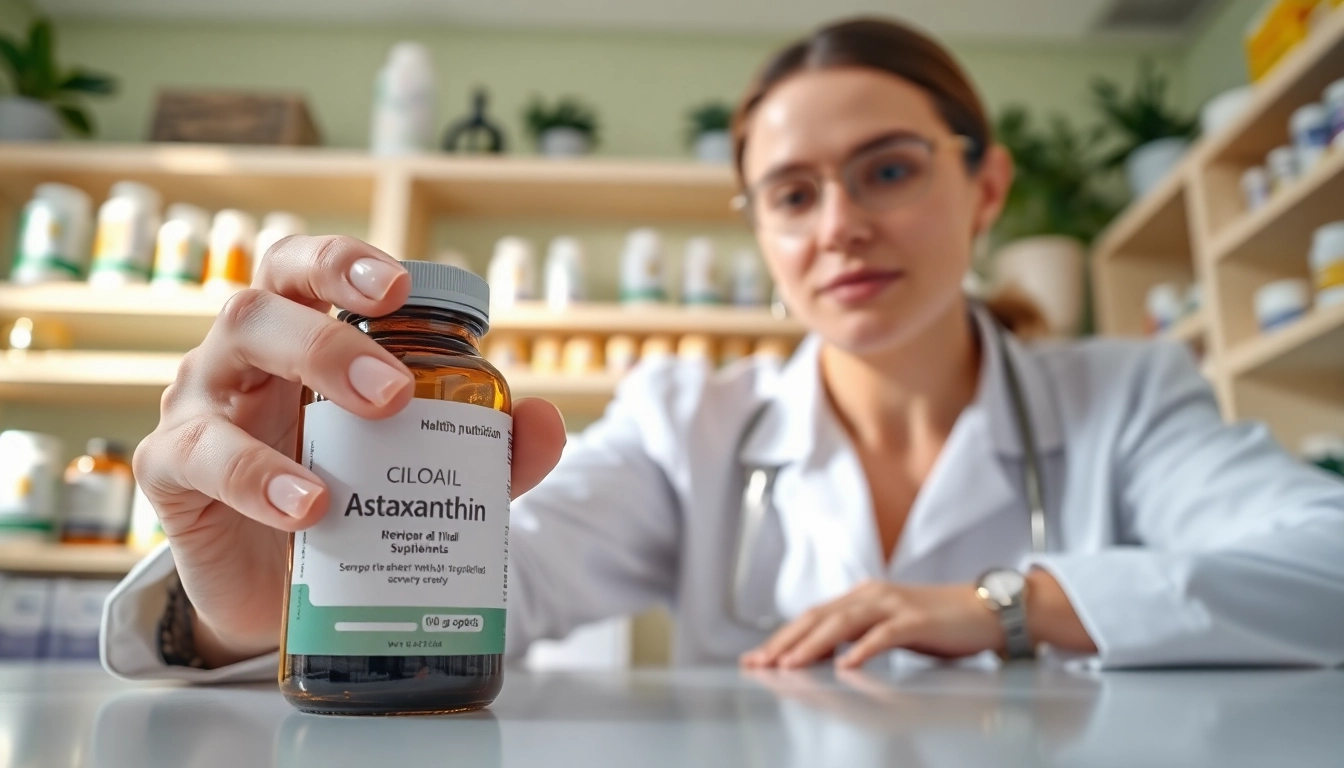
Introduction to Astaxanthin
Astaxanthin is a powerful carotenoid known for its antioxidant properties and is primarily found in certain microalgae, salmon, shrimp, and various crustaceans. It is a pigment that gives these organisms their reddish color, and it's increasingly recognized for its numerous health benefits. Researchers have focused on the clinical dosage of astaxanthin to ensure individuals can safely and effectively incorporate it into their health regimen.
What is Astaxanthin?
Astaxanthin, a member of the carotenoid family, is a naturally occurring pigment that is produced by the microalgae Haematococcus pluvialis. This pigment is not only responsible for the vibrant coloration of aquatic animals but also plays a significant role in protecting cells from damage. Its unique molecular structure allows it to effectively quench free radicals, leading to its classification as one of the most potent antioxidants found in nature.
Health Benefits of Astaxanthin
The benefits of astaxanthin span a wide range of health aspects. Scientific studies have demonstrated its role in enhancing physical performance by reducing muscle fatigue and soreness. Astaxanthin also shows promise in supporting eye health, with evidence indicating its ability to protect against oxidative stress caused by prolonged exposure to screens. Additionally, it promotes skin health by improving elasticity and reducing the appearance of fine lines and wrinkles.
Source and Types of Astaxanthin
Astaxanthin can be found in various sources, predominantly in marine life. While many are familiar with its presence in salmon and shrimp, the most concentrated source is the microalga Haematococcus pluvialis. Astaxanthin supplements come in two primary forms: natural and synthetic. Natural astaxanthin is derived from algae, while synthetic versions are created in laboratories. The natural form is generally recommended due to its superior absorption and effectiveness in the body.
Clinical Dosage of Astaxanthin Explained
Understanding the appropriate clinical dosage of astaxanthin is essential for maximizing its health benefits while minimizing potential side effects. Various studies have established dosage ranges based on specific health conditions, age, and gender.
Recommended Daily Intake
The general consensus on the recommended daily intake for astaxanthin varies but is typically cited to be between 4 mg to 12 mg per day for adults. Some studies suggest that individuals involved in intense physical activities may benefit from higher doses, around 12 mg to 20 mg per day. It is important to note that while astaxanthin is found in foods, achieving these clinical dosages through diet alone can be challenging, thus the use of supplements may be necessary.
Factors Influencing Dosage
Several factors can influence dosages of astaxanthin, including individual health status, lifestyle, dietary habits, and specific health goals. For instance, athletes aiming to enhance performance and recovery may require higher doses compared to an individual seeking general health benefits. Additionally, factors such as age, weight, and the presence of chronic health conditions can play a critical role in determining the appropriate dosage for each person.
Consulting Health Professionals
Before starting any new supplement regimen, especially one involving astaxanthin, it is critical to consult with a healthcare professional. This ensures the dosage is tailored appropriately based on individual health history and medication use. A healthcare provider can provide insights into potential interactions and help assess the suitability of astaxanthin for specific health needs.
Common Usage Scenarios
Astaxanthin is highly versatile, offering a variety of benefits for different user groups. Below are common scenarios in which individuals might incorporate astaxanthin into their daily health routines.
Astaxanthin for Athletes
Athletes often experience increased stress on their bodies during training and competition, leading to oxidative stress that can hinder recovery. Astaxanthin assists in mitigating muscle fatigue and soreness post-exercise. Research indicates that doses between 12 mg to 20 mg can significantly enhance recovery times, improve endurance, and provide antioxidant support, making it a popular supplement for sports enthusiasts.
Astaxanthin for General Wellness
For the general population, astaxanthin can play a crucial role in maintaining health. Regular intake can bolster the immune system, improve skin health, and reduce the risk of chronic diseases associated with oxidative stress. The recommended dose for general wellness typically hovers around 4 mg to 8 mg daily. Individuals seeking to enhance overall vitality may find astaxanthin beneficial as part of a balanced dietary approach.
Astaxanthin in Skin Care
Astaxanthin’s ability to penetrate skin layers makes it an attractive option in skincare formulations. Studies suggest that for visible anti-aging effects, a daily intake of about 6 mg may support skin elasticity and hydration while reducing the appearance of fine lines. This makes astaxanthin a popular ingredient in cosmetics and skin supplements that focus on youthful skin appearance and overall dermal health.
Potential Side Effects and Precautions
While astaxanthin is generally regarded as safe for most individuals, understanding potential side effects is essential to ensure a safe experience with supplementation.
Understanding Side Effects
Most individuals tolerate astaxanthin well; however, some may experience mild side effects such as stomach discomfort, changes in skin coloration, or hormonal fluctuations. Elevated doses have been linked to these side effects, emphasizing the importance of adhering to recommended dosages to avoid adverse effects.
Interactions with Medications
Astaxanthin may interact with certain medications, particularly those affecting blood clotting or hormone levels. Individuals taking anticoagulants, hormone replacement therapies, or other medications should consult healthcare providers to prevent any potential interactions that may complicate their health status.
Who Should Avoid Astaxanthin?
People with specific health conditions, particularly those related to hormone-sensitive disorders, should exercise caution when considering astaxanthin supplements. Pregnant or lactating women should also consult a medical professional before incorporating astaxanthin into their diet to ensure it aligns with their health needs.
FAQs About Astaxanthin Dosage
What is the ideal clinical dosage of astaxanthin per day?
The ideal dosage typically ranges between 4 mg and 12 mg daily, depending on individual health goals and circumstances. Athletes may benefit from higher doses.
Can I increase my intake of astaxanthin?
Yes, many individuals increase their intake based on specific health needs, but it's best to consult a healthcare professional to tailor the dosage appropriately.
Is astaxanthin safe for pregnant women?
Pregnant women are advised to consult with doctors before taking astaxanthin supplements to ensure it's appropriate for their health condition.
How long does it take to see results from astaxanthin?
Results vary depending on individual health circumstances, but many users report improvements in skin health and energy levels within a few weeks of consistent use.
Can astaxanthin improve my skin health?
Yes, astaxanthin is known for enhancing skin elasticity and hydration, potentially reducing signs of aging, and promoting a more youthful appearance.